A personal reflection on entering public life
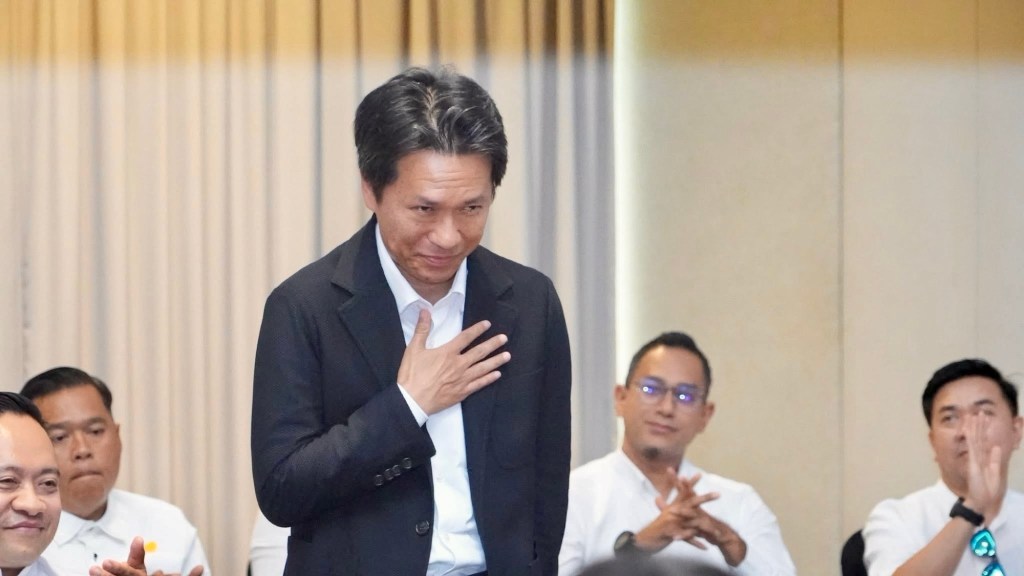
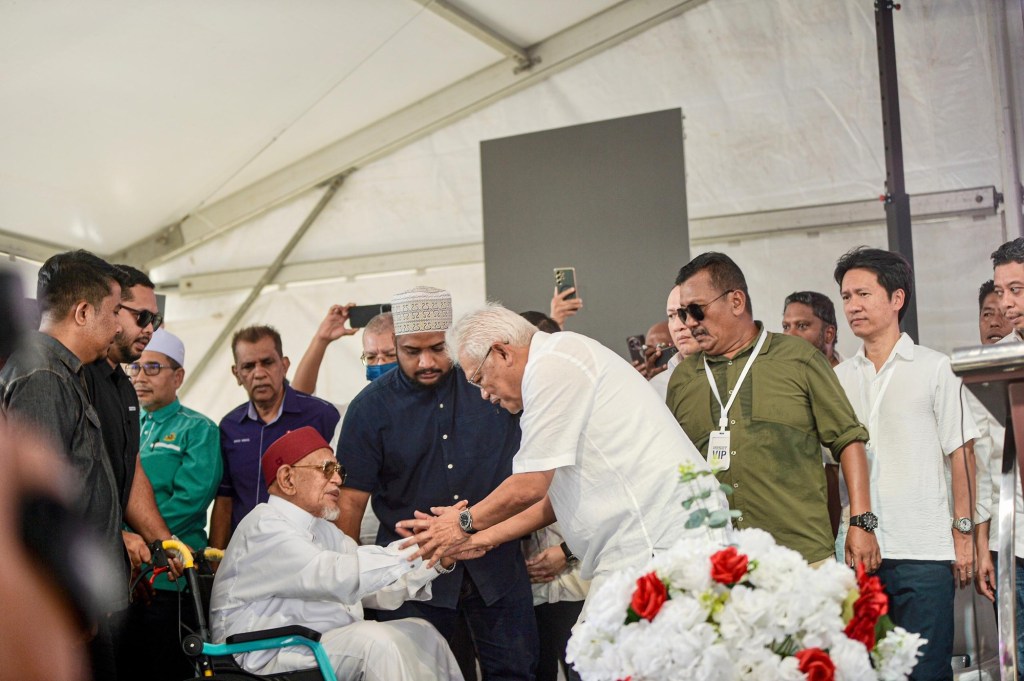
A week ago, at the extraordinary general meeting of Parti Wawasan Negara, I sat and listened as its new President Datuk Seri Hamzah Zainudin introduced the party’s new leadership to its members for the first time. My name was among those he read out. For most of my working life I have stood a few feet from decisions without ever being the one who made them, and there was something strange in hearing my own name called.
That afternoon marked a transition I had not planned to make at this stage of my life: from corporate man to political man.
I have sat on boards that governed national institutions. I have advised prime ministers. I have built enterprises, raised capital, and spent the better part of three decades learning how the Malaysian economy actually works, not as theory, but as the daily business of people trying to build something durable in a country that has not always made it easy. From that vantage, close to power but never holding it, I learned a great deal. I learned, above all, the difference between understanding a problem and being willing to own it.
Now I have stepped across that invisible red line.
On the arc
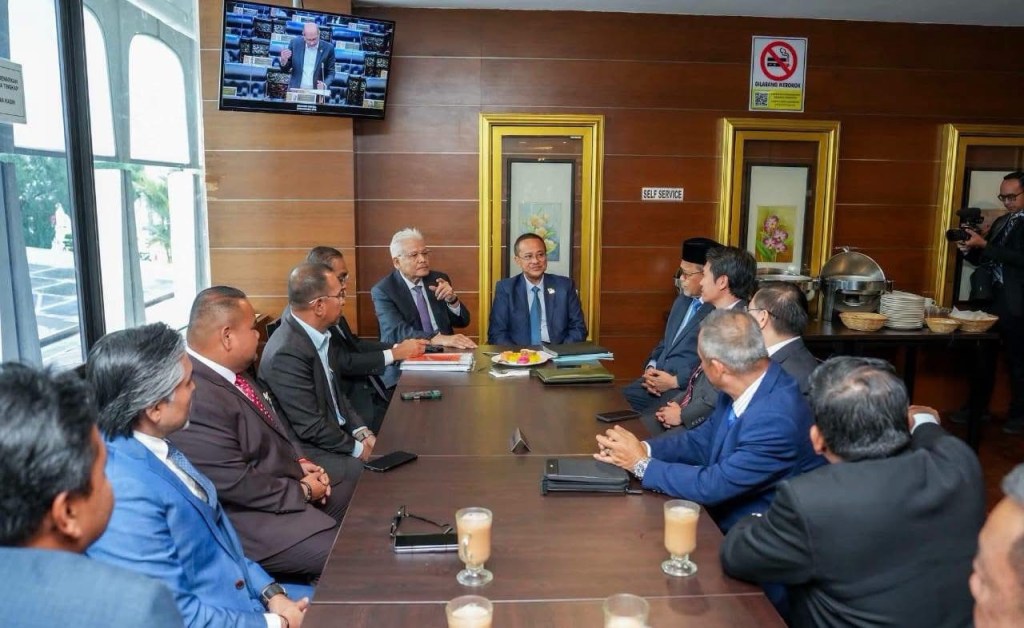
I did not arrive at this from nowhere. My adult life began in student leadership, arguing about the future of this country with people who have since spent their lives shaping it. It continued through the private sector, where I learned that competence is not a slogan but a discipline, paid for in nights and consequences. And it passed, for a period, through the service of three prime ministers, where I saw how the highest decisions are made, and how often the quality of an institution determines whether those decisions survive the people who made them.
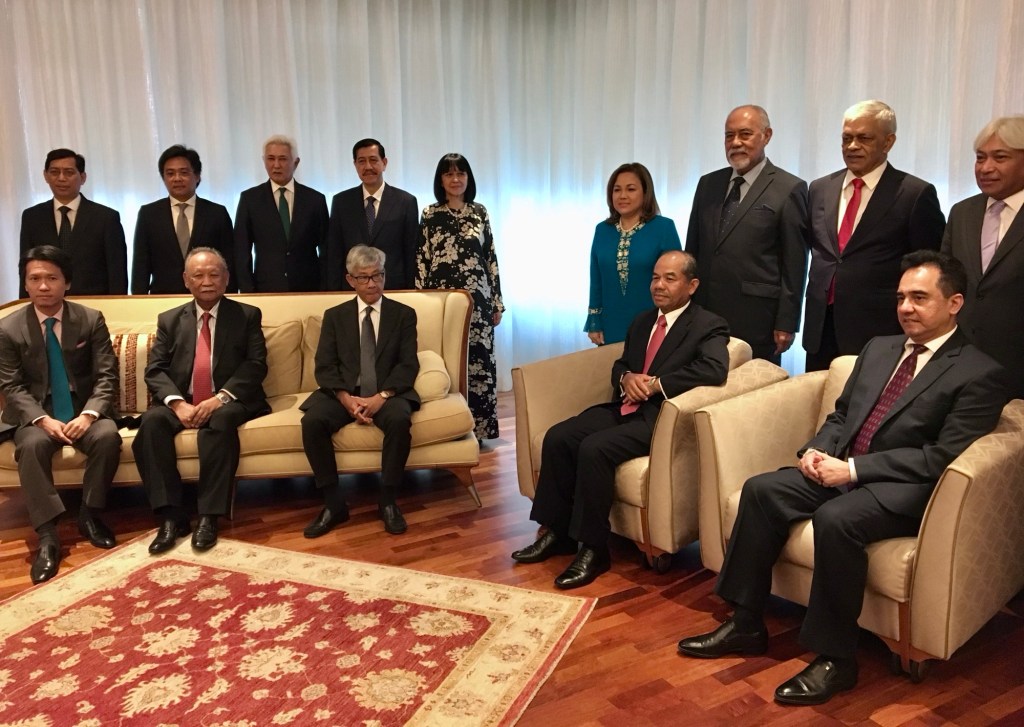
I make no apology for that proximity, and I will not pretend it away. We who come after good leaders inherit their legacies: the great, the good, and the not so good alike. I served the office and the national interest of my time, and I learned from being close to power the one lesson that no distance can teach: that institutions are stronger than the individuals who occupy them, and that a nation which forgets this will spend its inheritance and call it governance.
That lesson is what I bring. Not the connections but the understanding of how things really work.
On why now
I have written, in recent months, about a country whose centre has come loose. About a generation of capable people who diagnose the problem fluently and act on it rarely. About the difference between succession and representation, and about a Malay community that is no longer at one with itself and has not been for some time.
It is one matter to write these things. It is another to be asked what you intend to do about them.
I concluded, after a long time watching, that commentary had become a comfortable place to stand, and that comfort, in a moment like this one, is its own kind of evasion. The institutions I have served are under a strain that observation will not relieve. The country does not need another analyst of its drift. It needs people who understood what these institutions were for, and who are prepared to carry the weight of governing them rather than the pleasure of explaining them.
On the company I keep
Parti Wawasan Negara stands within a coalition that includes PAS, and I know how that will be read in some quarters. Democracy is not built by pretending that millions of one’s fellow citizens do not exist. The test of politics is not whether we agree on every question, but whether we can build institutions strong enough to contain disagreement without ceasing to govern.
I do not believe a confident Malay-Muslim community is a threat to any other Malaysian. I believe the opposite. A community secure in its own place does not govern from anxiety, and a politics that draws its strength from suspicion cannot build anything that lasts.
On what comes next
I have no illusions about the difficulty of what I have taken on, or about the distance between a corporate boardroom and a constituency that must be earned street by street.
I will not pretend to a mandate I have only just been given, nor announce programmes before I have earned the standing to deliver them. But I can say plainly what I intend to bring. There are questions that any serious attempt at government must answer: how an economy is built in fact and not in theory, what holds an institution together when those who staff it come and go, what competence actually demands of those who govern. They are the questions I have spent a career inside, and the ones I now mean to press: on how we propose to govern, and not merely on how we propose to win. The particulars will come, and they will come in their proper order. What I am offering now is not a list of promises. It is a way of working, and a willingness to be held to it.
I will be judged, rightly, not by what I have written but by what I now do, and by whether the standards I have spent years proposing for our institutions are the standards by which I am willing to be measured myself.
For most of my adult life I have worked close to the institutions that shape this country. I have tried to strengthen them where I could, and to understand them where I could not.
Public office asks something different. It asks not only judgment, but accountability.
Whether I prove equal to that responsibility is no longer for me to say.
The watching is over.



6 responses to “The Watching Is Over”
I’m sure there are a lot of people who will say things about you but the fact that I respect is your POV and how articulate you are with putting it across… That, and the fact that you are actually going to do something about it… Stop watching and start doing… These days with socmed, it’s so easy to watch and comment and say a lot of shit but few actually will get off their asses to do something about it
LikeLike
Thank you, and my apologies for the slow reply. Your point about the ease of commenting is the one I had to answer for myself before any of this, and it is the fairest test to be held to. I would rather be measured against it than against anything I have written. I will try not to give you cause to revise the view.
LikeLike
Good luck dato. As a first time reader reading your blog, give me goosebump, feel good factor in what may come in the future. Allahuakbar
LikeLike
Thank you, Yazid, and welcome. It means something that the first piece you read was that one. Amin.
LikeLike
I’ve followed your writings for quite some time and have quietly admired the resilience of both you and your wife.
I hope public life treats you kindly. But if it doesn’t, I hope it only strengthens your resolve to serve the nation. All the best, Omar!
LikeLike
Thank you. To have been read quietly over years is the better compliment, and the kind words about my family are noted with gratitude. Whether public life proves kind is not really within anyone’s gift. That it should strengthen rather than erode the reason for entering it is the right hope to hold, and I will hold it.
LikeLike