Tun Dr Mahathir Mohamad turns 100 today.

In most nations, this would be cause for national reflection. Not because of unanimous admiration, but because of historical magnitude. A centenary invites us to pause, to reconcile, and to ask not just what he was, but what we have become.
Instead, we have seen something else: muted institutional response, cautious political triangulation, and silence from state-linked bodies that ought to be record-keepers of national memory, not just instruments of political convenience.
A Life Larger Than Politics
Tun Dr Mahathir served as Malaysia’s Prime Minister not once, but twice. First for 22 years. Then again for 22 months.

He oversaw the rise of our industrial economy, created a dominant Malay capitalist class, opened the door to global markets, and left behind infrastructure – both physical and institutional – that continues to define the country.
He was, and remains, a deeply controversial figure. His legacy invites debate: from the centralisation of power to the weakening of judicial independence, the unresolved wounds of Ops Lalang, and most recently, his combative role post-retirement. But these debates are precisely why he cannot be ignored. He is embedded in our political DNA.
When Churchill Turned 100
When Winston Churchill turned 100 in 1974, Britain did not hesitate.
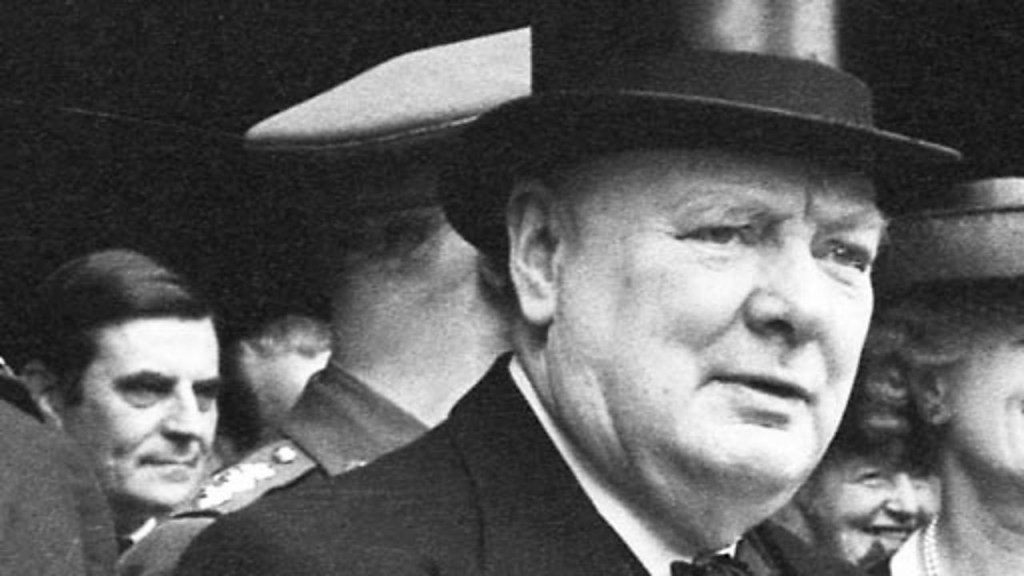
The BBC aired documentaries, replayed his speeches, and launched public retrospectives. Editorials debated his legacy. Archives were opened, not sealed.
This was not under a Conservative government – Churchill’s own party – but under Prime Minister Harold Wilson, leader of the Labour Party and Churchill’s lifelong political rival.
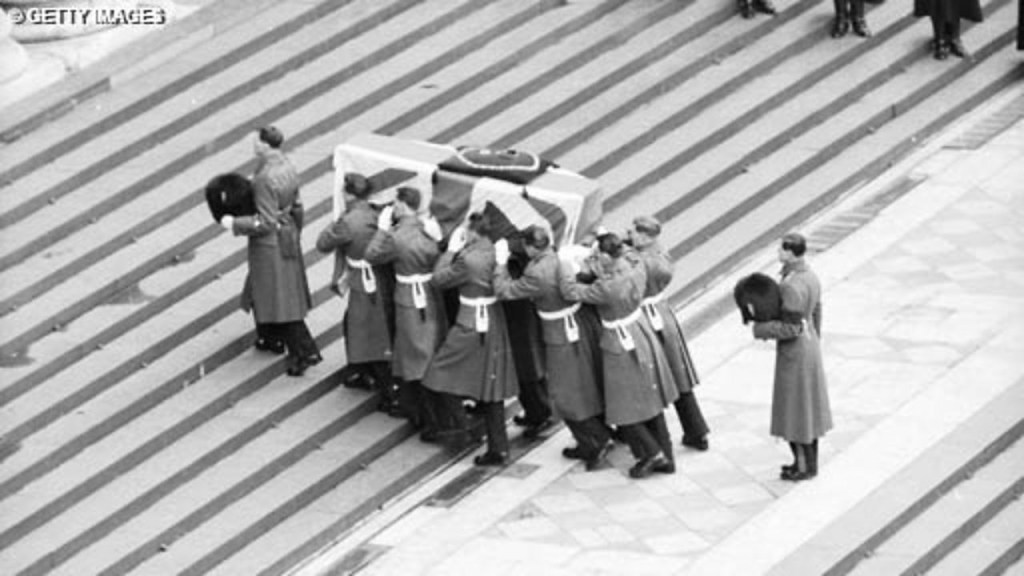
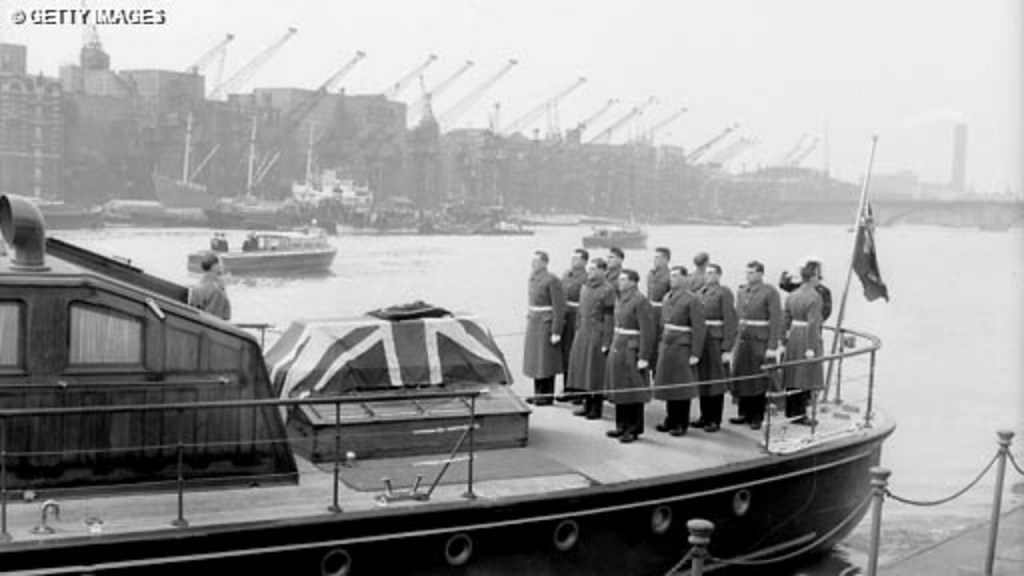
Wilson’s government had also presided over Churchill’s state funeral in 1965, attended by monarchs and presidents. And yet, in both death and commemoration, Britain understood this:
That marking a centenary is not about agreement.
It is about national memory.
It is about respecting history and rising above the politics of the day.

The Office Must Outlive the Man
Honouring a centenary is not a political endorsement. It is an act of democratic maturity.
It signals that we are capable of separating public memory from partisan allegiance. That we honour the role, not just the man. That we can acknowledge our past leaders even when we disagree with them.
To let Mahathir’s 100th pass with minimal institutional remark is to abdicate our responsibility as stewards of history. It denies young Malaysians the opportunity to understand the arc of national leadership in all its complexity and consequence.
The Cost of Silence
This silence is not neutral. It tells us who we are: still a country where history is written only by the present victor. Still a country where political discomfort overrides institutional memory. Still a country where turning 100 does not insulate a man from the anxieties of the moment.
We cannot allow our public memory to be this fragile.
When a man who helped build the very scaffolding of the modern Malaysian state turns 100, our duty is not to erase his controversies. It is to mark the moment with full clarity: his role, his rise, his rupture, and his relentless imprint.
Final Reflections
You don’t have to agree with Mahathir. I often haven’t. But you cannot erase him.

And a country that fails to mark his centenary with the seriousness it deserves is not punishing the man. It is diminishing its own sense of history.
Turning 100 should have been our breakthrough. A chance to rise above partisan instinct and model something nobler.
That we didn’t says more about us than it does about him.
It is not too late to correct course.
 Musings of the (occasional) thinker; planner; do-er